

Quick answer: The main types of sugar are cane sugar, tree sugar, vegetable sugar, and fruit sugar. For example, cane sugar comes from sugarcane. Meanwhile, tree sugars come from sap, such as maple or palm sap. By contrast, vegetable sugars come from roots, stalks, grains, and starches. Finally, fruit sugars come from fresh or dried fruit and include fructose, glucose, sucrose, and sorbitol.
Sugar is not one single ingredient. In fact, it is a family of sweet carbohydrates with different sources, flavors, colors, textures, and uses. For instance, some sugars are neutral and crystalline. By contrast, others are dark, sticky, fruity, smoky, grassy, or mineral-rich.
This guide explains the major types of sugar in plain language. In addition, it covers molasses grades, maple syrup grades, fruit sugar chemistry, cane sugar varieties, beet sugar, sorghum syrup, corn sugars, and the best ways to use each sweetener.
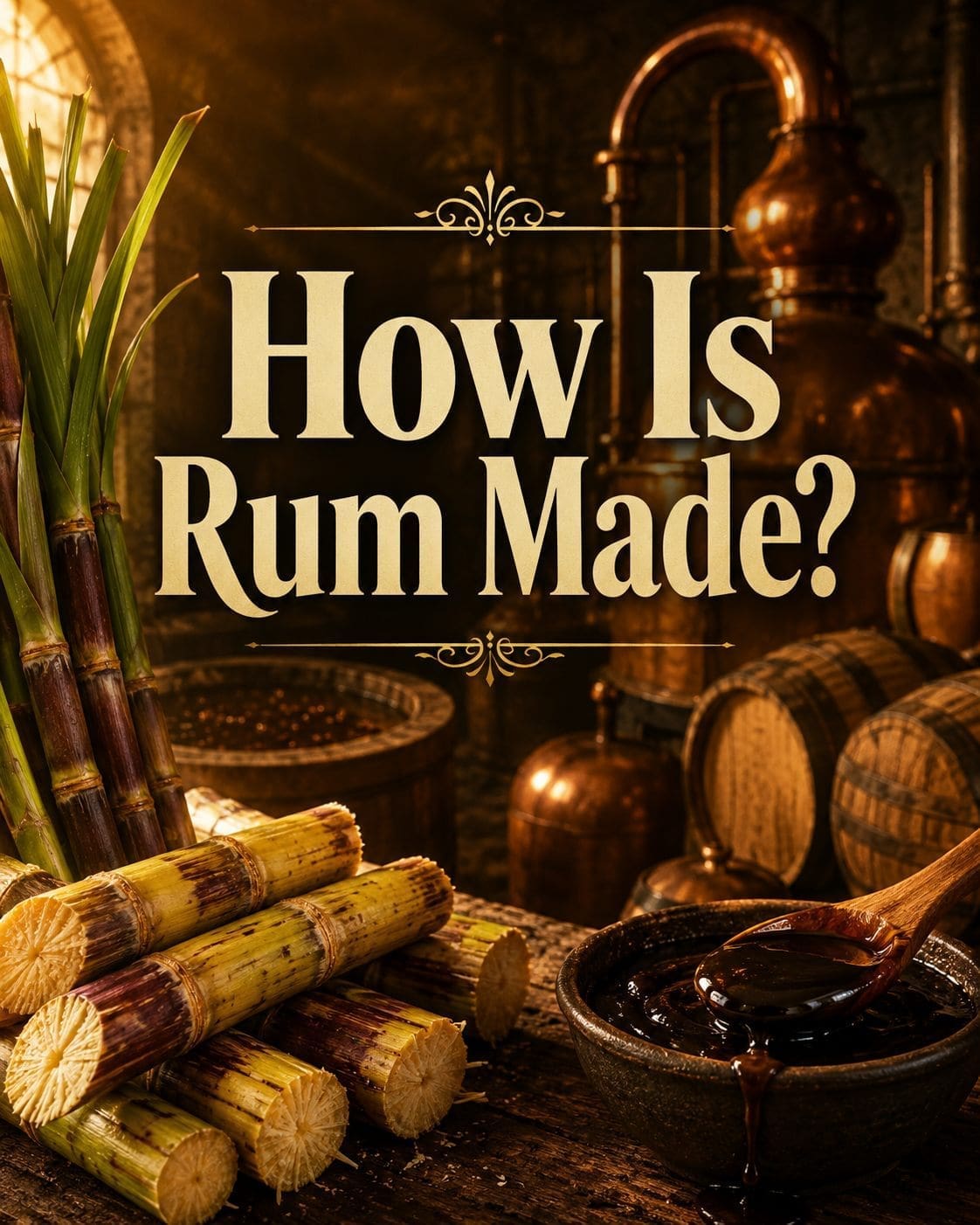
If you are looking at sugar through the lens of spirits, cocktails, or fermentation, this topic connects directly to Timber Creek’s work as a grain-to-glass distillery. For example, sugar is central to how rum is made, how yeast works during fermentation for distilling, and how bartenders use simple syrup and maple syrup in drinks.

What Are the Four Main Types of Sugar?
The four main types of sugar are grouped by plant source. Therefore, this is the easiest way to understand how sugar behaves in food.
| Type of sugar | Source | Common examples | Main flavor | Best uses |
|---|---|---|---|---|
| Cane sugar | Sugarcane stalks | White sugar, brown sugar, raw sugar, demerara, turbinado, muscovado, molasses, panela | Clean to deep molasses | Baking, candy, sauces, preserves, drinks |
| Tree sugar | Tree or palm sap | Maple syrup, maple sugar, birch syrup, palm sugar, coconut sugar | Caramel, wood, smoke, minerals | Glazes, desserts, breakfast foods, curries, marinades |
| Vegetable sugar | Roots, stalks, grains, starches | Beet sugar, sorghum syrup, corn syrup, dextrose, maltodextrin | Neutral to grassy | Refined sugar, candy texture, syrups, industrial foods |
| Fruit sugar | Fresh or dried fruit | Fructose, glucose, sucrose, sorbitol, date paste, fruit juice, jam | Sweet, tart, aromatic, juicy | Whole fruit, preserves, baking, fermentation, syrups |
These categories are practical, not perfect. For example, refined cane sugar and refined beet sugar are both mostly sucrose. However, cane molasses and beet molasses taste very different. Source still matters.
Why Do Different Types of Sugar Taste Different?
Different types of sugar taste different because they contain different sugars and trace compounds. Also, processing changes flavor.
For example, white sugar is highly refined. It tastes clean because most plant compounds have been removed. By contrast, muscovado and molasses taste darker because they keep more cane syrup. Similarly, maple syrup tastes like maple because sap compounds change during boiling. Meanwhile, fruit tastes sweet because sugar appears with acid, aroma, juice, and fiber.
In other words, sugar is more than sweetness. It also affects color, browning, moisture, texture, aroma, and preservation.
Cane Sugar: Types of Sugar from Sugarcane
Cane sugar comes from sugarcane, a tall tropical grass with sweet juice in its stalks. In general, sugarcane grows best in warm climates with sun and water. Because cane and molasses are so important to spirits history, they also show up in Timber Creek’s guide to what rum is and in the broader spirits lineup.
Cane is one of the most important sugar crops in history. For centuries, it shaped trade, food culture, colonial economies, and plantation agriculture. In addition, its history includes both culinary pleasure and serious human harm, so it should be discussed honestly.

How Is Cane Sugar Made?
First, workers harvest the cane. Then mills crush the stalks to press out the juice. Fresh cane juice tastes sweet, green, grassy, and earthy.
Next, processors clarify the juice and boil it. Boiling removes water and turns the juice into syrup.
As the syrup gets thicker, sugar crystals form. After that, a centrifuge spins the crystals away from the remaining syrup. Then the crystals become sugar. Meanwhile, the leftover syrup becomes molasses.
As a result, more refining creates lighter sugar. By contrast, less refining leaves more color, moisture, minerals, and molasses flavor.
What Are the Different Types of Cane Sugar?
In short, cane sugar ranges from white crystals to dark, sticky, molasses-rich sugars.
| Cane sugar type | Texture | Flavor | Use it for |
|---|---|---|---|
| White granulated sugar | Dry crystals | Clean and neutral | Cakes, cookies, candy, drinks, preserves |
| Caster sugar | Fine crystals | Clean and quick-dissolving | Meringues, whipped cream, delicate cakes |
| Powdered sugar | Fine powder | Clean, soft, often slightly starchy | Frostings, glazes, dusting |
| Turbinado sugar | Coarse dry crystals | Mild caramel | Coffee, muffins, pie crusts, crunchy toppings |
| Demerara sugar | Large amber crystals | Light molasses and toffee | Scones, cookies, cocktail rims, finishing sugar |
| Brown sugar | Moist crystals | Caramel and molasses | Cookies, barbecue sauce, baked beans, spice cake |
| Muscovado sugar | Sticky and moist | Strong molasses, raisin, licorice | Gingerbread, chocolate cake, marinades, dark sauces |
| Panela or piloncillo | Block, cone, or crumble | Rustic caramel and cane syrup | Drinks, sauces, regional desserts, moles |
Light Brown Sugar vs Dark Brown Sugar
Light brown sugar has less molasses. Therefore, it tastes mild and works well in everyday baking.
By contrast, dark brown sugar has more molasses. As a result, it tastes stronger, darker, and more acidic. Because of that, it works well in gingerbread, baked beans, barbecue sauce, and spice-heavy desserts.
Because molasses holds water, brown sugar usually makes baked goods softer and chewier than white sugar.
Molasses Grades Chart
Molasses is the syrup left after sugar crystals are removed from cane juice. In other words, the grade depends on how many times the syrup has been boiled.
| Molasses grade | Boiling stage | Sweetness | Flavor | Best uses |
|---|---|---|---|---|
| Light molasses | First boiling | Highest | Mild, warm, sweet | Cookies, glazes, sauces, general baking |
| Dark molasses | Second boiling | Medium | Strong, roasted, bittersweet | Gingerbread, baked beans, rye bread, barbecue sauce |
| Blackstrap molasses | Third boiling | Lowest | Bitter, mineral-heavy, intense | Use sparingly in savory sauces, dark breads, or recipes that name it |
Molasses Flavor Intensity Chart
Light molasses
Dark molasses
Blackstrap molasses
For general baking, choose light molasses when a recipe just says “molasses.” For stronger spice and smoke, choose dark molasses. Finally, choose blackstrap only when you want its bitterness and mineral punch. Molasses also matters beyond baking, especially in rum production and dark sauces; for a related deep dive, see Timber Creek’s guide to rum production.
If cane spirits are the part that interests you most, compare the distillery’s Florida Rum, Barrel Aged Florida Rum, Florida Apple Pie Rum, and Florida Coffee Rum. Each one shows a different way sugar-derived spirits can carry flavor.
Tree Sugars: Types of Sugar from Sap
Tree sugars come from sap. First, producers collect sweet liquid from trees or palms. Then they boil it down. The final sugar may be syrup, paste, granules, blocks, or molded candy.
These sugars often bring more flavor than refined white sugar. For example, they can taste woody, smoky, floral, earthy, tangy, or caramel-like.
Maple Syrup and Maple Sugar
Maple syrup comes from maple sap. Usually, producers tap maple trees in late winter or early spring. Then they boil the sap until it becomes syrup.
Maple sap is mostly water. Therefore, it takes a lot of sap to make a small amount of syrup. Boiling concentrates the sugar and creates maple flavor.
Maple syrup is mostly sucrose. Still, it tastes different from table sugar because it contains natural sap compounds and cooked flavors. In cocktails and kitchen prep, it often overlaps with simple syrup, which is why Timber Creek’s guide to simple syrup and maple syrup is a useful companion. If you are shopping instead of researching, the site also has a maple syrup product page.

Maple Syrup Grades Table
The USDA maple syrup standards group Grade A maple syrup by color and flavor.
| Maple grade | Flavor | Best use |
|---|---|---|
| Golden color, delicate taste | Mild, light, subtle | Pancakes, waffles, yogurt, fresh fruit |
| Amber color, rich taste | Classic maple, balanced | Breakfast foods, baking, dressings |
| Dark color, robust taste | Strong maple | Glazes, cookies, roasted vegetables, barbecue sauce |
| Very dark color, strong taste | Most intense maple flavor | Recipes where maple must stand out |
Birch Syrup
Birch syrup comes from birch sap. In addition, it is harder to make than maple syrup because birch sap usually contains less sugar.
The flavor is darker and tangier than maple. For example, it can taste like molasses, balsamic vinegar, minerals, smoke, and dried fruit.
Therefore, use birch syrup in savory sauces, marinades, reductions, cocktails, salad dressings, and glazes. It pairs well with mustard, vinegar, soy sauce, mushrooms, and root vegetables.
Palm Sugar and Coconut Sugar
Palm sugar comes from palm sap, often from cut flower stalks. As a result, it may be sold as paste, syrup, granules, discs, or blocks.
Palm sugar can taste smoky, earthy, buttery, and caramel-like. For example, it is common in South Asian, Southeast Asian, Middle Eastern, and tropical cooking.
Coconut sugar is made from coconut palm flower sap. However, it usually tastes like caramel and light molasses, not coconut.
Therefore, use palm or coconut sugar when you want sweetness that can balance chile, lime, tamarind, fish sauce, coconut milk, or warm spices.
Vegetable Sugars: Types of Sugar from Roots, Stalks, and Starch
Vegetable sugars come from non-fruit plant parts. For example, these include roots, stalks, grains, tubers, bulbs, and starches.
In addition, this category includes beet sugar, sorghum syrup, corn syrup, dextrose, maltodextrin, and the sweetness that develops when vegetables cook. Because many spirits begin with agricultural starches, this section also connects to Timber Creek’s grain-to-glass distillation process and the main distillery page.

Beet Sugar
Beet sugar comes from sugar beets. These pale root crops are bred for high sucrose content.
First, processors wash the beets, slice them, and soak the slices in hot water. Then the hot water pulls sugar from the root tissue. After that, the juice is purified, concentrated, crystallized, spun, and dried.
Refined beet sugar and refined cane sugar are both mostly sucrose. Therefore, in most recipes, they work the same way.
However, their byproducts differ. Cane molasses is widely used in food. Beet molasses usually tastes more bitter, so it is more often used for animal feed, fermentation, or industrial purposes.
The USDA Economic Research Service gives more background on U.S. sugarcane, sugar beet, and corn sweetener production.
Sorghum Syrup
Sorghum syrup comes from sweet sorghum, a grass with juicy stalks. Then producers crush the stalks and boil the juice into syrup.
The flavor is grassy, earthy, tangy, and mineral. Therefore, it is less neutral than cane syrup and less bitter than blackstrap molasses.
Sorghum syrup has strong ties to Appalachian and Southern cooking. Use it on biscuits, cornbread, pancakes, and grits. Also use it in gingerbread, glazes, baked beans, barbecue sauce, and marinades.
Corn Sugars
Corn sugars usually start as corn starch. Since starch is made from long chains of glucose, processors break those chains into smaller sugars with enzymes or acids. A similar conversion idea appears in whiskey mashing, where starch becomes fermentable sugar before yeast can work; for more context, read the mash bill guide and the article on sour mash and sweet mash.
| Corn sweetener | What it is | Why cooks use it |
|---|---|---|
| Corn syrup | A glucose-rich syrup | Helps prevent crystallization in candy and sauces |
| Dextrose | Crystalline glucose | Useful in baking, brewing, curing, and processed foods |
| High-fructose corn syrup | Corn syrup with some glucose converted into fructose | Provides sweetness in drinks and packaged foods |
| Maltodextrin | A lightly sweet starch product | Adds bulk, texture, and drying power |
Corn syrup is especially useful in candy. As a result, it helps caramels, marshmallows, frostings, and frozen desserts stay smooth.
Sweet Vegetables
Some vegetables taste sweet because they naturally contain sugar. For example, carrots, onions, beets, peas, corn, winter squash, and sweet potatoes all contain noticeable sweetness. Potatoes also raise a classic spirits question, which Timber Creek covers in its guide to whether vodka is made from potatoes.
Cooking makes that sweetness easier to notice. For instance, roasting removes water, concentrates flavor, softens harsh notes, and creates browning.
Sweet potatoes are especially interesting. During cooking, enzymes can convert some starch into maltose. As a result, slow-baked sweet potatoes often taste sweeter than quickly cooked ones. For a broader look at starch, sugar, and neutral spirits, see Timber Creek’s explanation of how vodka is made or visit the Florida Vodka page.
Fruit Sugars: Types of Sugar in Fruit
Fruit sugars are the sugars naturally found in fruit. In addition, they come with water, fiber, acids, pigments, aroma compounds, and texture.
This is why fruit sweetness feels different from table sugar. For example, a ripe strawberry tastes bright because it has sugar, acid, and aroma. By contrast, a dried date tastes candy-like because drying removes water and concentrates sugar.

What Types of Sugar Are in Fruit?
The main sugars in fruit are fructose, glucose, and sucrose. In addition, some fruits contain sorbitol, which is a sugar alcohol.
| Fruit sugar | What it is | Where it appears | What it does |
|---|---|---|---|
| Fructose | A monosaccharide, or single sugar | Apples, pears, grapes, berries, many fruits | Tastes very sweet and browns readily |
| Glucose | A monosaccharide and basic energy sugar | Grapes, berries, dried fruits, fruit juices | Feeds fermentation and adds sweetness |
| Sucrose | A disaccharide made from glucose and fructose | Bananas, peaches, mangoes, pineapples, melons | Gives clean sweetness and changes during ripening |
| Sorbitol | A sugar alcohol | Apples, pears, peaches, plums, cherries, prunes | Adds mild sweetness and moisture; may affect digestion |
Relative Sweetness Chart
Sucrose is often used as the reference point for sweetness. However, perceived sweetness changes with temperature, acidity, concentration, and the food itself. The Institute of Food Science and Technology notes that different sugars have different sweetness intensity and sweetness quality.
Glucose — less sweet than sucrose
Sucrose — reference sweetness
Fructose — often sweeter than sucrose
This chart is a kitchen-friendly guide, not a lab rule. Fructose often tastes sweeter than sucrose, while glucose usually tastes less sweet. But food context can change the result.
How Sugar Changes as Fruit Ripens
Fruit changes as it ripens. For example, starch may turn into sugar. Meanwhile, acidity may drop. At the same time, aromas become stronger and texture softens.
Bananas show this clearly. At first, green bananas taste firm and starchy. Later, yellow bananas taste sweeter. Finally, spotted bananas taste very sweet because more starch has changed into sugar.
Grapes are important for another reason. In addition, their glucose and fructose feed yeast during wine fermentation. Meanwhile, sugar level affects potential alcohol, while acidity affects balance. This is also why Timber Creek’s winery background piece on boutique Napa and Sonoma wines starts with agriculture, not just the finished glass. For an on-site pairing angle, see the Wine & Chocolate Tasting experience.
Fruit Sugars in Jam and Preserves
Jam depends on sugar, acid, pectin, and water. In addition, sugar does more than sweeten. It helps create texture and supports preservation.
Pectin is a natural carbohydrate in plant cell walls. For example, apples, citrus, quinces, and some plums are rich in pectin. However, strawberries and peaches often need added pectin or longer cooking.
Therefore, reducing sugar in jam changes more than flavor. It can change the set, shelf life, color, and texture.
Fruit Sugars in Fermentation
Fruit sugars also feed fermentation. In simple terms, yeast turns fruit sugar into alcohol and carbon dioxide. If you want the distilling version of that idea, Timber Creek’s guide to fermentation for distilling explains why sugar, yeast, temperature, and time all matter.
Grape juice becomes wine. Apple juice becomes cider. Pear juice becomes perry. In addition, fruit can become vinegar, shrubs, fruit beer, country wine, and fermented sauces. From there, the story can move into stills, which Timber Creek covers in how distillation works.
Natural Sugars vs Added Sugars
Natural sugars occur inside foods such as fruit, vegetables, and milk. By contrast, added sugars are added during processing or preparation.
The FDA explains added sugars as sugars added during processing, packaged sweeteners, syrups, honey, and sugars from concentrated fruit or vegetable juices. However, whole fruit sugars are different because they come with water, fiber, acids, and other compounds.
This does not make every natural sugar “good” or every added sugar “bad” in every situation. Instead, it means the context is different. A peach and a spoonful of table sugar are not the same food.
Best Type of Sugar for Cooking
The best type of sugar depends on what you want the sugar to do. First, choose by flavor, texture, moisture, and cooking behavior.
| Cooking goal | Best sugar choice | Why it works |
|---|---|---|
| Clean sweetness | White sugar, beet sugar, caster sugar | Neutral flavor and reliable structure |
| Soft cookies | Brown sugar or muscovado | Molasses holds moisture and adds chew |
| Crunchy topping | Demerara or turbinado | Large crystals add sparkle and texture |
| Strong spice flavor | Dark brown sugar or molasses | Dark sweetness supports ginger, cinnamon, clove, and smoke |
| Smooth candy | Corn syrup | Helps prevent unwanted crystallization |
| Fruit flavor | Fruit puree, dried fruit, jam, or syrup | Adds sweetness with acid, aroma, and body |
| Regional depth | Maple syrup, palm sugar, jaggery, sorghum | Adds tradition, color, and complex flavor |
For savory cooking, molasses and brown sugar are especially useful in barbecue sauce because they balance salt, smoke, vinegar, and heat. For a practical food-side companion, read Timber Creek’s guide on how to BBQ or browse the Blacksmithing & Barbecue experience.
In spirits, sweetness can also show up after production through barrel sugars, toasted oak, and aroma compounds. Therefore, Timber Creek’s guides to barrel aging and how to taste bourbon like a distiller are helpful next steps. You can also compare those ideas in the hands-on Bourbon Blending Experience.
For more flavor context, you can also read Timber Creek’s distillery and whiskey vocabulary guide, which explains many of the production and tasting terms that overlap with sugar, fermentation, and aging.
Related Timber Creek Pages and Guides
If this article helped you understand sugar as an ingredient, these internal links from the full Timber Creek sitemap continue the same conversation from the spirits, cocktail, product, and visitor-experience side.
- Florida Craft Distillery
- Timber Creek Spirits
- Shop Timber Creek
- Tastings & Experiences
- Distillery Tour & Tasting
- Bourbon Blending Experience
- Maple Syrup
- Simple Syrup and Maple Syrup Usage and Benefits
- What Is Rum?
- How Is Rum Made?
- Florida Rum
- Barrel Aged Florida Rum
- Florida Apple Pie Rum
- Florida Coffee Rum
- Fermentation for Distilling
- How Distillation Works
- Grain-to-Glass Distillation
- Mash Bill Guide
- How Is Vodka Made?
- Florida Vodka
- How Is Whiskey Made?
- Barrel Aging Explained
- Congeners in Distilling
- How Distillation Changed the World
- Private Label Spirits
Conclusion: Types of Sugar Are More Than Sweetness
The many types of sugar tell different stories. For example, cane sugar moves from fresh cane juice to white crystals, brown sugar, muscovado, and blackstrap molasses. Meanwhile, tree sugars turn sap into maple syrup, birch syrup, palm sugar, and coconut sugar. By contrast, vegetable sugars come from beets, sorghum, corn, and starch. Finally, fruit sugars bring fructose, glucose, sucrose, sorbitol, acid, aroma, and ripeness.
So, when a recipe says “sugar,” ask what kind of sweetness it needs. For example, a spoonful of white sugar, a ribbon of maple syrup, a crumble of piloncillo, a splash of sorghum, and a ripe peach can all sweeten food. However, each one changes the food in a different way.