
How Is Rum Made?
Discover how rum is made, from sugarcane fermentation and distillation to aging, blending, and Timber Creek’s handcrafted Florida Rum.
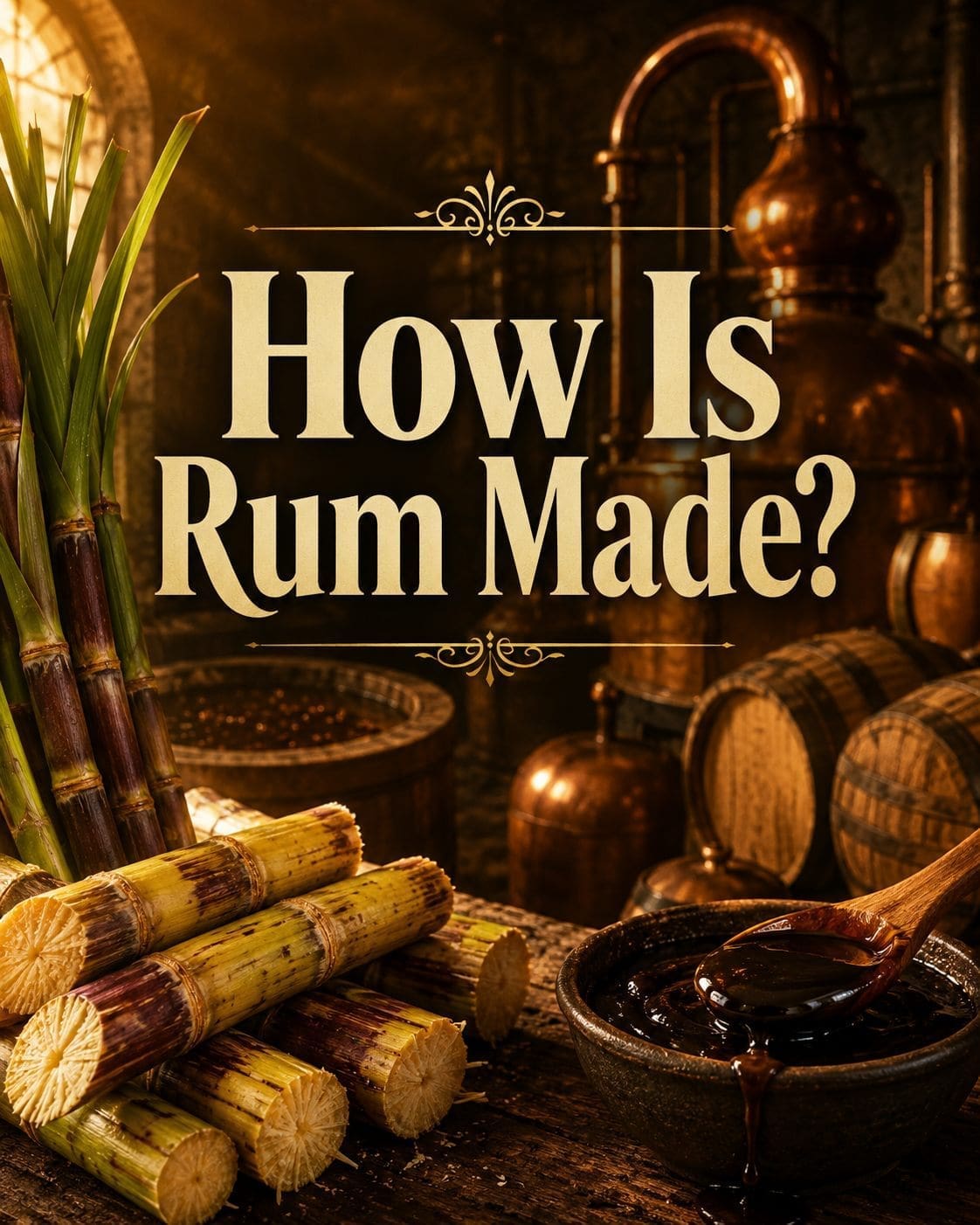
Distillers create this sugarcane spirit from molasses, fresh cane juice, cane syrup, or other cane by-products. Yeast converts the available sugar into alcohol, and the fermented liquid then passes through a still.
Some batches are bottled clear, while others mature in oak barrels. Unlike whiskey production, the process does not require cooking grain or converting starch because sugarcane already contains fermentable sugar.
Quick Facts: The Rum-Making Process
- Base: sugarcane, most often molasses
- Cane juice style: commonly associated with rhum agricole
- Fermentation: often 1 to 10 days or longer
- Distillation limit in the United States: below 190 proof
- Minimum bottling strength in the United States: 80 proof or 40% ABV
- Aging: not required
Under the federal standard of identity for rum, the spirit must come from fermented sugarcane juice, syrup, molasses, or another sugarcane by-product. It must be distilled below 190 proof and bottled at no less than 80 proof.
For the broader history, styles, and legal definition, read our complete guide to rum. This article focuses on how producers turn sugarcane into a finished spirit.
Molasses vs. Fresh Cane Juice
Most producers begin with molasses, the thick syrup left after sugar crystals are removed from cane juice. It stores and ships well, making it practical for distilleries far from sugar-growing regions.
Molasses can contribute rich notes of toffee, dried fruit, dark caramel, and brown sugar. The final profile also depends on the grade of molasses, fermentation method, still design, and distiller’s cuts.
Fresh cane juice creates a different character. It must be fermented quickly because it spoils much faster than molasses. This route is closely connected with the rhum agricole tradition and often produces grassy, earthy, and herbal flavors.
Both materials come from the same plant. One highlights the deep, concentrated side of sugar production, while the other preserves more of the fresh-cut character of the cane.
Fermenting the Sugar
The distiller dilutes molasses with water or sends fresh juice directly into a fermentation vessel. Yeast consumes the sugar and produces alcohol, carbon dioxide, and flavor compounds.
A short fermentation can produce a cleaner, lighter wash. A longer fermentation may develop stronger fruit, spice, and savory notes. Yeast strain, temperature, acidity, nutrients, and bacterial activity all influence the result.
Some traditional producers encourage wild yeast or controlled bacterial activity. These methods can create powerful esters and other aromatic compounds. The character of the finished bottle begins long before the liquid reaches the still.
Pot Stills vs. Column Stills
A pot still usually preserves more congeners and creates a heavier, fuller distillate. A column still can produce a lighter, cleaner style at a higher proof.
Neither system is automatically better. The choice depends on the flavor the producer wants. Many companies make separate light and heavy components, then combine them during blending.
Federal rules require the spirit to leave the still below 190 proof so it retains the taste, aroma, and character associated with the category. The TTB Distilled Spirits Beverage Alcohol Manual provides additional guidance on classifications and labeling.
Aging in a Hot Climate
Barrel maturation changes quickly in warm weather. Heat expands the liquid and pushes it deeper into the oak. Cooler periods pull it back out, carrying color and flavor from the wood.
That movement can build notes of vanilla, caramel, baking spice, toasted oak, and dried fruit. Warm conditions also increase evaporation, commonly called the angel’s share.
Gulf Coast aging exposes barrels to long periods of heat and humidity. We explain this climate effect in our article about whether whiskey ages faster in Florida. Although the base spirit is different, the interaction between heat, liquid, and oak follows the same basic principle.
White, Aged, Spiced, and Flavored Styles
White rum is usually bottled without extended barrel maturation. Some producers rest it briefly in wood and then filter out the color. Its lighter profile works well in daiquiris, mojitos, punches, and other cocktails.
Aged expressions spend more time in barrels, often ones previously used for bourbon. Wood adds color, aroma, texture, and flavors such as vanilla, caramel, coconut, and spice.
Spiced and flavored products follow another path. Producers may add fruit, spices, natural flavors, or sweetening ingredients after distillation. Labeling requirements vary depending on what is added and how the finished product is classified.
How Timber Creek Makes Florida Rum
At Timber Creek Distillery, we produce Florida Rum on our 240-acre farm in Crestview. We apply the same deliberate approach used in our PureBlend® whiskey process: understand each component, make careful cuts, and blend for balance rather than habit.
The spirit also supports our private label program, allowing partner brands to bring a professionally produced bottle to market under their own name starting at $20 per bottle.
Rum and Florida History
Sugarcane spirits have a long connection with Florida and the Gulf Coast. During Prohibition, coastal routes became part of the illegal liquor trade, while inland communities developed their own moonshine traditions.
Our article on Florida moonshine and rum-running explores the smugglers, stories, and local history that helped shape the state’s drinking culture.
Taste It at the Source
Book a tour and tasting at Timber Creek Distillery to compare our clear, aged, spiced, and flavored expressions near the equipment and barrels that shaped them.
What is the difference between Pensacola Spiced Rum and Florida Rum?

Florida Rum is the clear, unspiced base spirit — food-grade molasses, double-distilled, unfiltered. It starts with the same base and adds a natural spice infusion, which adds warmth, complexity, and the characteristic spiced rum profile. Florida Rum is more cocktail-versatile; the spiced version is better suited for applications where you want the spice character to contribute.
Can Timber Creek spirits be used in classic cocktails?
Is 30A Spiced Rum actually made in Florida?
What type of rum does Timber Creek produce?


