


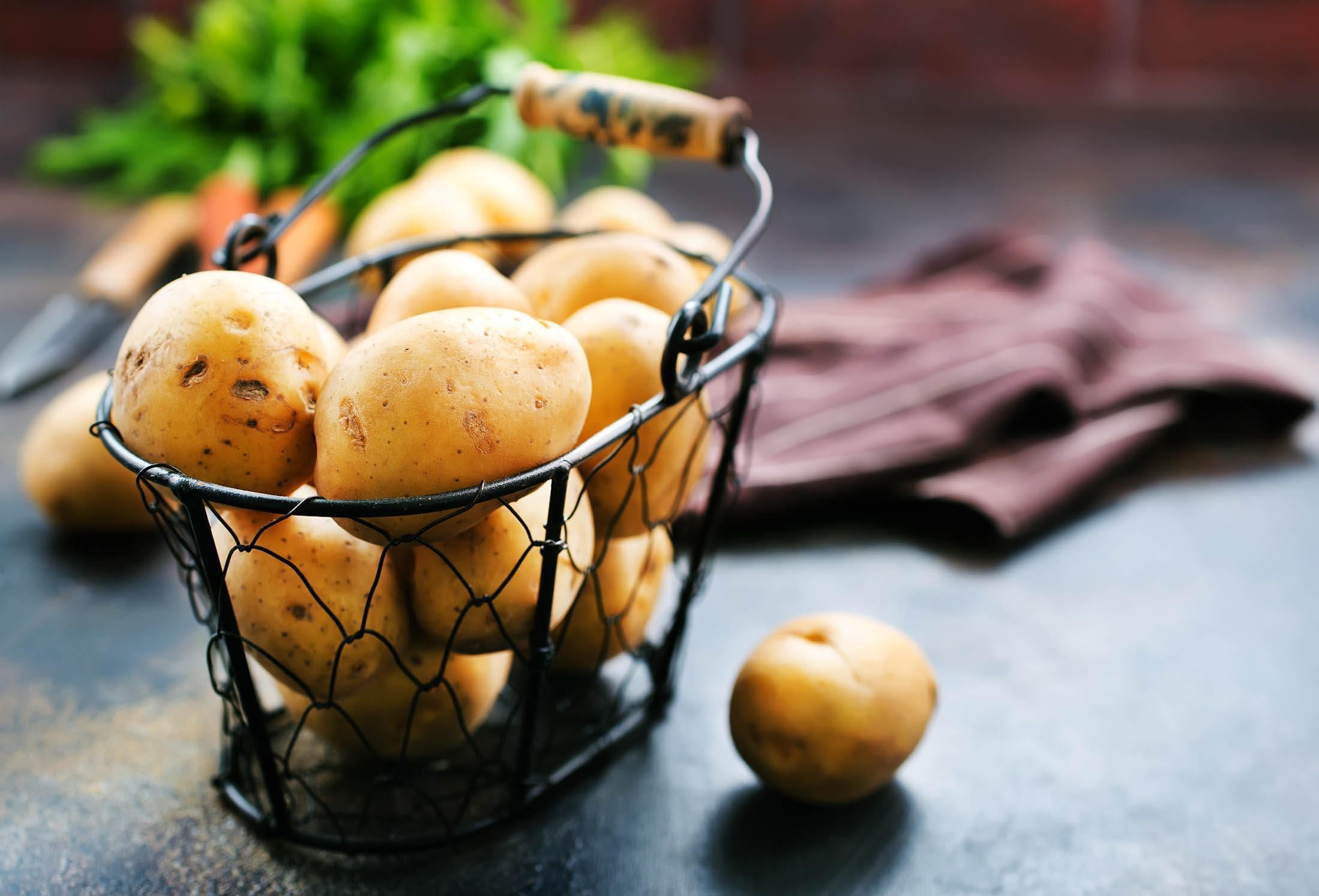
Is vodka made from potatoes?
Many people assume vodka comes from potatoes. In reality, most vodka does not. This confusion is common, which is why vodka is a useful spirit to explain clearly and simply.
Vodka education matters because vodka is the most popular spirit in the United States. It also follows one of the strictest legal definitions in the alcohol industry.
Vodka is the best-selling spirit in the United States
Vodka accounts for a large share of liquor store sales. In many stores, it represents close to half of total volume. Because of that, understanding what vodka is helps people make better choices at the shelf.
Although vodka shelves look crowded, the production rules behind vodka are narrow and well defined, especially when compared to categories like whiskey or legally protected styles such as bourbon.
How vodka is legally defined in the United States
The Alcohol and Tobacco Tax and Trade Bureau (TTB) regulates spirits sold in the United States. One of its core references is the Beverage Alcohol Manual. This manual defines every spirit category and controls labeling rules.
The manual organizes spirits into classes and types. For example, whiskey is a class, while bourbon is a type of whiskey. If a spirit does not meet a type definition, it defaults back to its class. This classification system also shapes how neutral alcohol is produced through distillation and labeled for sale.
What class does vodka belong to?
Vodka belongs to the class called Neutral Spirits or Alcohol.
The TTB defines neutral spirits as:
Spirits distilled from any material at or above 95% alcohol by volume (190 proof), and bottled at no less than 40% alcohol by volume (80 proof).
The key phrase is any material. Neutral spirits can come from nearly anything that can ferment, including grains commonly discussed in a mash bill guide.
Within this class, the TTB recognizes two types: vodka and grain spirits.
What makes vodka different from other spirits?
The TTB defines vodka as:
Neutral spirits distilled or treated after distillation so they have no distinctive character, aroma, taste, or color.
In simple terms, vodka can start from many raw materials. However, producers remove flavor, aroma, and color during distillation and filtration.
This approach differs from spirits like bourbon or rye, where flavor retention is the goal and where compounds known as congeners are intentionally preserved rather than stripped away.
Why do people associate vodka with potatoes?
Vodka originated in Eastern Europe and Russia. Historically, grain crops in those regions were unreliable. Potatoes, however, grew easily and stored well.
Early distillers used available resources. Potatoes fermented well, which made them a practical choice. Those early spirits likely carried strong flavors, so distillers ran them through the still many times to clean them up.
As proof increases, flavor decreases. Alcohol flavor comes from oils that move with vapor during distillation. Lower proof carries more oils and more flavor. Higher proof carries fewer oils and less flavor, which is the opposite of what happens in traditional pot still production where heads, hearts, and tails cuts determine character.
What is vodka usually made from today?
Most modern vodka comes from wheat or corn. In the United States, corn is the most common base. It grows easily, costs less, and produces alcohol efficiently.
Other vodka bases include grapes, sugar cane, molasses, rye, barley, rice, sorghum, fruit, and milk. Potato vodka still exists, but it is rare and represents a small share of the market.
Are most vodkas made from potatoes?
No. Most vodka is made from corn or wheat. Potato vodka is the exception, not the rule.
Only a small number of vodkas, mostly from Poland, still rely on potatoes. When ingredient sourcing matters, the label usually provides the answer.
Vodka is a neutral spirit distilled to high proof and filtered to remove flavor. It can be made from any fermentable material. Most vodka today is made from corn or wheat, not potatoes. For a broader overview of the category, see what is vodka.
Does the base ingredient matter if vodka is neutral?
At first glance, it seems like the base should not matter. After all, vodka must be neutral. However, the starting material still affects how the spirit behaves during fermentation and distillation.
Different crops carry different starch structures. Wheat, for example, breaks down differently than corn. Rye behaves differently than either of them. Because of that, yeast performance shifts slightly depending on the raw material. Fermentation speed, nutrient availability, and by-product formation can all change.
Even though vodka removes flavor, the production process still follows the same scientific principles outlined in how distillation works. Alcohol separates based on volatility. As proof rises, heavier compounds fall away. So while the end result must be clean, the path to get there still depends on chemistry.
In other words, neutrality is the goal. But process still matters.
Why filtration plays such a large role
After distillation, most vodka goes through additional treatment. Usually, that means carbon filtration. Activated charcoal has a massive surface area. Because of that, it traps trace compounds that remain after distillation.
As a result, aroma decreases. Texture smooths out. Color disappears.
This is very different from what happens in whiskey production. In categories such as bourbon, distillers intentionally preserve compounds known as congeners. Those compounds create aroma and depth. Vodka, by contrast, strips them away.
So while bourbon builds flavor, vodka refines toward absence.
Proof and why it changes everything
Vodka must be distilled to at least 95% alcohol by volume. That number is not random. At that strength, very few flavor molecules remain.
Lower proof distillation allows more oils to pass through vapor. Higher proof limits that movement. Therefore, column stills are commonly used for vodka because they allow repeated rectification. If you compare that approach to the cut strategy explained in heads, hearts, and tails, you can see the difference in philosophy.
One method selects for character. The other selects against it.
Because of this, vodka fits inside the neutral spirits class rather than categories like whiskey or legally protected styles such as bourbon. Those spirits require flavor expression. Vodka requires the opposite.
So why does the potato myth survive?
Part of the reason is history. Early Eastern European distillers used what they had. In some regions, potatoes were reliable. Over time, that story stuck.
However, modern production favors efficiency. Corn yields high alcohol output. Wheat ferments cleanly. Both are widely available in the United States. As a result, most vodka today comes from grain.
Still, labels sometimes highlight potatoes because it signals tradition. That does not make it the norm.
The simple takeaway
Vodka can come from almost any fermentable material. Yet legally, it must be distilled to high proof and treated so that it has no distinctive aroma, taste, or color.
Therefore, the defining feature is not the potato. It is neutrality.
If you want the broader technical breakdown of the category, including legal definitions and production standards, the full explanation is covered in what is vodka.