

A unique way of creating spirits Timber Creek Distillery
A Distillery Built Like a Flavor Laboratory
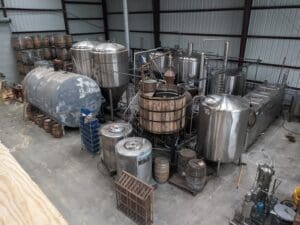
Timber Creek Distillery is not structured like a factory. Instead, it operates more like a working laboratory focused on grain, fermentation, distillation, and the controlled extraction of flavor. Visitors who explore the property through the distillery tour quickly see that every stage of production happens on site, from milling grain to aging spirits in barrels.
Corn, wheat, rye, and barley are treated as individual inputs rather than being processed together. Each grain is fermented and distilled separately before any blending occurs. That approach allows the distillery to understand how sweetness, spice, structure, and mouthfeel develop during production. Guests interested in the science behind the process can also explore the detailed guide explaining how distillation works and the fundamentals of fermentation for distilling.
Working with individual grains gives Timber Creek more control when building whiskey. It also makes the distillery especially well suited for creating custom mash bills, small batch releases, and private label spirits where flavor precision matters more than large production volume. Visitors who want to understand how those grains shape a finished spirit can also explore the in-depth guides to what whiskey is, what bourbon is, and the mash bill guide.
Because everything is produced on site, the distillery itself becomes part of the experience. Guests visiting from nearby coastal communities such as Destin, 30A, and Pensacola often stop in Crestview to see how the process works from grain to glass.
Visitors can explore the full lineup of Timber Creek spirits, book one of the hands-on distillery experiences, or simply walk through the working production space to understand how each step contributes to the final flavor in the bottle.
How Flavor Is Built
Instead of treating whiskey as a single process, Timber Creek Distillery approaches production in layers. Individual grain distillates are produced separately, evaluated on their own, and only then blended together to create a finished profile. By isolating each grain during fermentation and distillation, the distillery can observe how sweetness, spice, body, and structure develop before those components are combined.
That approach creates far more control when building whiskey. Some blends emphasize softer grain character, such as the Florida Whiskey built around wheat. Others lean into spice and structure, such as the rye-forward profile found in Southern Reserve Florida Whiskey. Guests visiting the distillery often explore these differences during tastings and blending experiences, where the individual grain whiskeys can be evaluated side by side.
Understanding those grain differences also helps explain how bourbon and other whiskey styles develop. Visitors who want a deeper explanation can explore the guides covering what whiskey is, what bourbon is, and how mash bills shape flavor in the mash bill guide.
The same blending-driven mindset carries across the entire Timber Creek spirits lineup. Vodka, gin, rum, and American single malt all follow the same philosophy of separating inputs, evaluating them carefully, and combining them to create balanced final products. One example is the distillery’s Apple Pie Rum, which layers natural ingredients and rum distillate to produce a distinctive flavor profile.
Visitors interested in seeing how those components come together can explore the working distillery, sample finished products through the available experiences, or browse the full lineup of house spirits produced on site.

Spirits Produced On Site
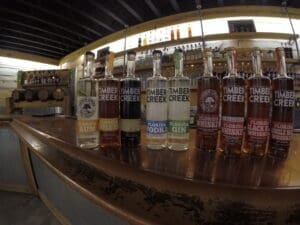
Bottles from Timber Creek Distillery
Timber Creek Distillery produces multiple spirit categories entirely on site. Each product begins with grain or sugar inputs that move through controlled fermentation, careful distillation, and blending before becoming a finished spirit. Guests who want to see that process in person can explore the working distillery or participate in one of the guided tastings and experiences offered on the property.
The current lineup includes several whiskey styles built from individually distilled grains. These include the wheated profile found in Florida Whiskey, the rye-driven structure of Southern Reserve Florida Whiskey, and other whiskey expressions developed from corn, wheat, rye, and barley. Visitors interested in understanding how these styles differ can also explore the detailed guides to what whiskey is and what bourbon is.
Beyond whiskey, Timber Creek produces a full lineup of house spirits. These include Florida Vodka, distilled from wheat, and the corn-based vodka used in several regional bottles. The distillery also produces Florida Gin, built around a botanical profile that includes ingredients like honeysuckle, lavender, fennel, and juniper. On the rum side, Florida Rum is distilled from evaporated cane syrup and serves as the base for several specialty expressions including spiced and flavored releases.
Additional specialty spirits appear throughout the lineup, including American single malt whiskey made from 100% barley and small-batch releases developed through experimental blending. Visitors who want to explore the full range can browse the complete Timber Creek spirits lineup or experience several of these products firsthand during the available distillery tastings and blending sessions.
Because everything is produced on site, these spirits also connect directly to the educational side of the distillery. Guests touring the facility see how fermentation, distillation, and barrel aging shape the final flavor before those spirits appear in the tasting room. Visitors exploring the region from nearby communities like Destin, 30A, or Pensacola often stop in Crestview to see the full production process in person.
Blending as a Core Capability
Blending sits at the center of how Timber Creek Distillery develops flavor. Because individual grain distillates are produced separately, blending becomes the primary tool for shaping the final character of a spirit rather than a corrective step at the end of production. Each grain—corn, wheat, rye, or barley—brings a different structure, texture, and aroma to the final whiskey.
This approach allows the distillery to design finished spirits with far more control over balance and complexity. Instead of forcing a single mash bill to do all the work, Timber Creek can adjust sweetness, spice, body, and finish by combining separately distilled components. Visitors interested in the science behind this process can also explore the guides explaining how mash bills shape whiskey and what defines bourbon.
Guests see this philosophy in action during the Bourbon Blending Experience, one of the most interactive experiences offered at the distillery. Participants taste individual grain whiskeys and then combine them to create a custom bourbon-style blend. The experience shows how small changes in grain ratios can dramatically alter aroma, flavor, and mouthfeel.
For visitors exploring the broader region from places like Destin, 30A, or Pensacola, the blending session offers a hands-on way to understand whiskey production beyond a typical tasting room stop. Additional distillery experiences also explore the relationship between grain, fermentation, distillation, and blending.
The same philosophy extends beyond the distillery itself. Timber Creek also offers the Bourbon Blending Kit, which allows enthusiasts to experiment with grain ratios at home. The kit includes separate grain whiskeys and measuring tools designed to demonstrate how individual grains influence the structure and balance of a finished bourbon.
Visitors who want to see how these blended spirits connect to the broader lineup can explore the full range of Timber Creek spirits, learn more about the working distillery, or browse all available tastings and experiences offered on site.
Boutique Wine Programs
The same production philosophy used at Timber Creek Distillery also supports a range of boutique wine projects. Rather than relying on bulk wine sources, these programs focus on working with small boutique producers and carefully managing the final stages of the product locally. Bottling, labeling, and finishing can all be handled in-house, giving partners greater control over how their wine is presented and distributed.
These collaborations are designed for organizations that want something more distinctive than a generic private label. Restaurants, hospitality groups, and destination venues often look for wines that reflect a sense of place or tell a specific story connected to their brand. Timber Creek supports those goals through private label beverage programs that combine boutique wine sourcing with in-house finishing and label production.
Nonprofit groups and associations can also use the same structure to develop custom bottles that support fundraising or commemorative events. Many of these programs rely on the same internal label design and finishing capabilities used throughout the distillery’s spirits program, including custom bottle labels for nonprofit organizations.
Because the distillery already handles production, labeling, and small-batch finishing, these projects fit naturally alongside the broader lineup of Timber Creek spirits. Visitors interested in the production side of the business can explore the working distillery, while partners interested in launching their own product can learn more about the private label program and how custom beverage brands are developed.
Visiting the Distillery
Timber Creek Distillery is open to visitors who want a deeper understanding of how spirits are made, not just poured. The property operates as a working distillery, and many guests visit specifically to see how grain moves through fermentation, distillation, and blending before becoming a finished bottle. Visitors planning a stop can explore photos in the distillery gallery or review the full list of tastings and experiences available throughout the year.
Guests can book guided distillery tours, participate in hands-on blending sessions like the Bourbon Blending Experience, or sample whiskey cocktails built around the distillery’s own house spirits. These experiences give visitors a closer look at how individual grains, fermentation, and barrel aging shape the final flavor of a spirit.
On select weekends the property also hosts Pizza Saturdays, when wood-fired pizza and cocktails are served in the outdoor farm setting. In addition, visitors can try axe throwing or explore the grounds during casual open hours. The distillery regularly hosts private events, corporate gatherings, and group celebrations throughout the year.
Because the distillery sits just inland from the Gulf Coast corridor, many visitors add it to a broader Emerald Coast trip. Guests staying in nearby communities like Destin, 30A, Pensacola, or Fort Walton Beach often visit Crestview to see the distillery and experience the production process firsthand.
Timber Creek is also dog-friendly by design. Dogs are a regular part of the atmosphere on the farm, and visitors are welcome to bring them along while enjoying the property and exploring the distillery.
Private Label Spirits Manufacturing
Timber Creek Distillery works with restaurants, resorts, organizations, and emerging brands to manufacture private label spirits built through real production and blending. Because the distillery produces spirits on site, partners can develop products using the same grain-to-glass process used for the core Timber Creek spirits lineup.
These projects typically begin with small direct-purchase runs that allow a brand to establish consistency, evaluate market response, and refine the final blend. During that stage, partners work with the distillery to adjust grain balance, aging profiles, and finishing methods inside the working distillery. Guests interested in how blending shapes flavor can also see this process during the Bourbon Blending Experience.
Once a product gains traction, distribution pathways can be explored when appropriate. Timber Creek supports partners through label design, compliance, and packaging, including programs for nonprofit organizations, hospitality groups, and destination venues that want a custom bottle tied to their brand or location.
Visitors exploring the distillery from nearby areas such as Destin, 30A, or Pensacola often learn about this side of the business while touring the facility or participating in distillery experiences. Additional details about launching a custom brand are available through the private label section of the site.
Summary
Timber Creek Distillery is a grain-to-glass distillery founded in 2014 near Crestview, Florida. From the beginning, the distillery has operated as a flavor-focused production facility where spirits are developed through controlled fermentation, careful distillation, and precise blending inside a working distillery.
Today the operation produces a full lineup of house spirits, including whiskey, bourbon-style blends, vodka, gin, rum, and American single malt. Visitors can explore the entire range through the Timber Creek spirits lineup or experience the production process firsthand through guided tastings and experiences.
Beyond production, the distillery has also developed into a destination stop for travelers exploring the Emerald Coast. Guests can book distillery tours, participate in the hands-on Bourbon Blending Experience, attend seasonal events like Pizza Saturdays, or host gatherings through the private events program.
The same production capabilities also support private label spirits programs and boutique wine collaborations, allowing restaurants, resorts, and organizations to develop custom bottles tied to their brand.
Located just inland from the Gulf Coast corridor, Timber Creek is also an easy stop for visitors staying in nearby communities such as Destin, 30A, Pensacola, and Fort Walton Beach. The distillery’s relaxed farm setting, educational tours, and dog-friendly atmosphere make it a distinctive stop within the broader Emerald Coast travel region.