
What Is Wheat Vodka?
Wheat vodka is vodka distilled from wheat, prized for a smooth, faintly sweet taste. See how it compares to potato and corn vodka.
Wheat vodka is vodka distilled from wheat instead of potatoes, corn, or rye. It typically tastes smoother and slightly sweeter than other base grains. That’s because wheat carries less of the earthy, heavy character that potatoes bring. The grain a distiller starts with shapes the final spirit more than most people expect. This holds true even after multiple distillations strip away most of the raw flavor. That’s part of why Timber Creek Distillery builds our own vodka around one specific base, rather than treating grain choice as an afterthought.
Quick Facts:
- What it is: vodka distilled primarily from wheat
- Typical flavor: smooth, light, faintly sweet or bready
- Compared to potato vodka: generally lighter-bodied with less oiliness
- Compared to corn vodka: less pronounced sweetness, crisper finish
What Makes Vodka “Wheat” Vodka?
Distillers can make vodka from almost any fermentable starch. That includes wheat, corn, rye, potatoes, and even grapes. Wheat vodka simply means wheat supplies most or all of the fermentable sugar before distillation. Vodka reaches a very high proof, and distillers often filter it afterward too. So the grain’s influence stays subtler than it does in whiskey. Still, distillers and experienced drinkers notice real differences between one base and another.
Wheat itself ferments cleanly. It produces a spirit with a soft, slightly sweet character. Therefore, many of the vodkas known for a smooth sipping style start with wheat rather than a heavier ingredient.
Wheat Vodka vs. Potato Vodka vs. Corn Vodka
Potato vodka usually tastes richer and a little oilier on the palate. That’s because potatoes carry more natural viscosity into the fermentation. Timber Creek’s own vodka follows this potato-forward approach. Our potato vodka deep dive explains exactly why we chose that base and how it shapes our final product.
Corn vodka, meanwhile, tends to lean sweeter with a rounder mouthfeel. Wheat vodka usually splits the difference: lighter than potato, crisper than corn. None of these bases is objectively better. They simply produce different drinking experiences. That’s why our broader what is vodka guide covers the category as a whole first, before narrowing in on any one grain.
Why Grain Choice Matters in Vodka
Vodka is defined by its purity rather than heavy grain flavor. So it’s tempting to assume the base ingredient barely matters. In practice, grain selection still shapes mouthfeel, subtle aroma, and how a vodka behaves in a cocktail. For example, a crisper wheat vodka can sit better in a citrus-forward drink. Meanwhile, a richer potato vodka can hold its own in something simple, like vodka and soda.
Mash composition matters here too. Fermentable starch content varies by grain, and that directly affects yield and flavor carryover. Our mash bill guide walks through how grain ratios shape a spirit long before it ever reaches the still.
How Timber Creek Approaches Vodka Production
Timber Creek Distillery runs a grain-to-glass process from start to finish. That means we distill every batch on-site, rather than sourcing it from a bulk supplier. Our grain-to-glass distillation process explains what that actually looks like inside our distillery. Our separate grain distillation approach covers how we keep different grain runs distinct, rather than blending them together at the mash stage.
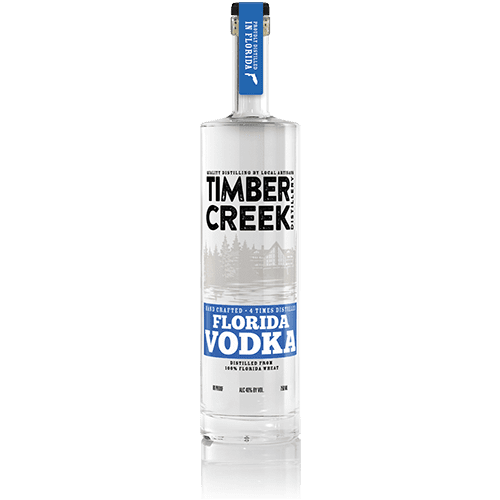
Timber Creek’s current vodka lineup uses a potato base. That’s a deliberate choice, not a default. If you’d like to taste that approach directly, our Florida Vodka reflects the same grain-to-glass philosophy, applied to a potato base instead of wheat.
How to Taste and Choose Between Vodka Styles
Start with a neat pour at room temperature, rather than ice-cold, since chilling mutes the subtle differences between grain bases. Note the weight on your tongue first. Wheat and corn vodkas tend to feel lighter, while potato vodka often feels a touch heavier and rounder. Next, pay attention to the finish. Wheat vodka typically clears out fast and clean, while potato vodka can linger slightly longer.
Finally, think about how you plan to drink it. A crisp wheat vodka often works well in a simple, spirit-forward cocktail. Meanwhile, a fuller potato vodka can stand up to bolder mixers. Wheat vodka isn’t better or worse than potato or corn vodka. It’s simply a different starting point, one that produces a lighter, cleaner style. Understanding that difference makes it easier to pick the right bottle for what you’re pouring.


