
What Is Small Batch Bourbon?
Small batch bourbon means several barrels are blended for balance, not bottled from one barrel. See how it differs from single barrel bourbon.
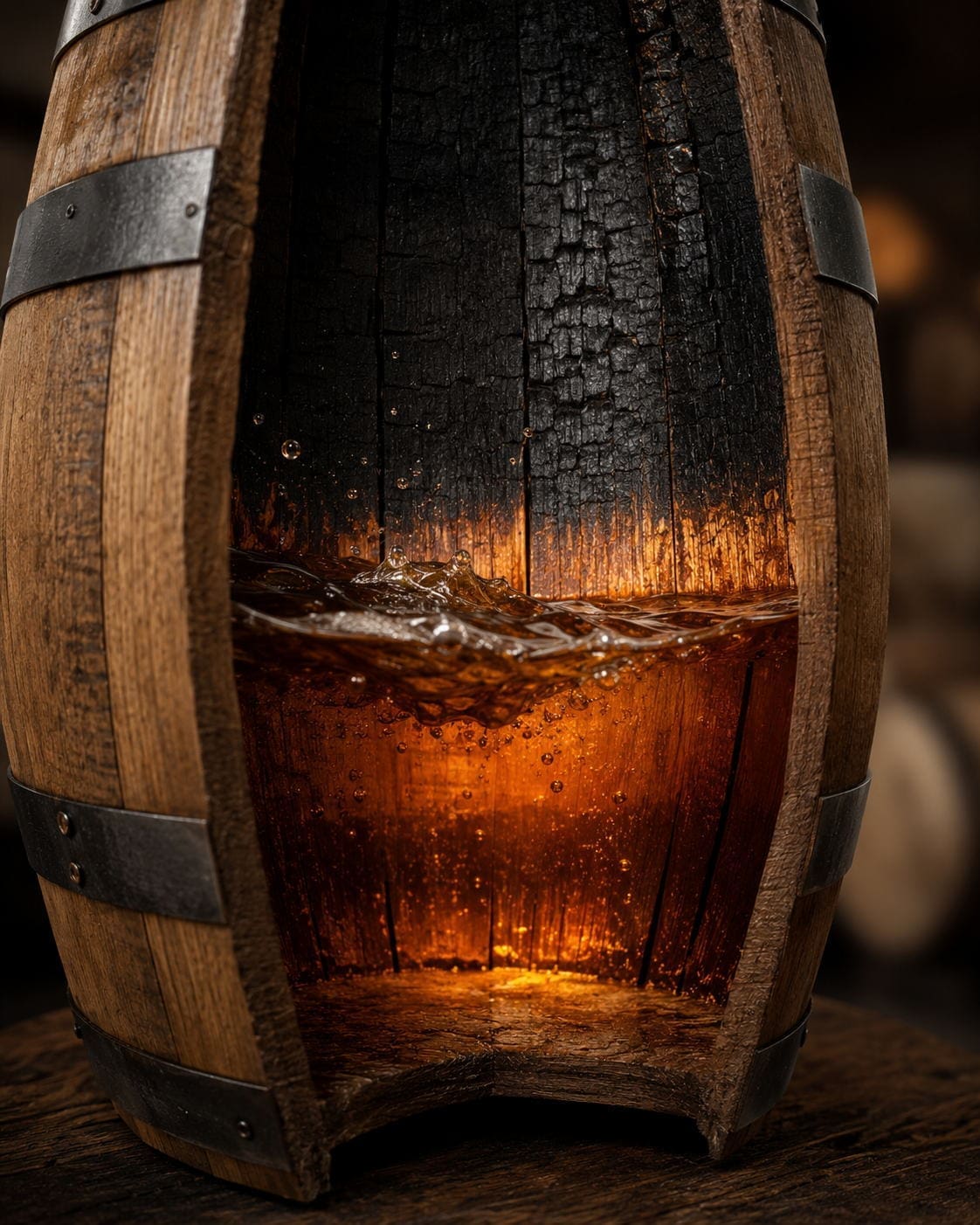
Small batch bourbon is bourbon that a distiller blends from a limited, hand-picked group of barrels, instead of using just one barrel or mixing hundreds together. The idea is balance. A small group of barrels comes together so their differences smooth each other out, without watering the character down to something generic. There’s no legal definition for how many barrels count as “small.” So the term describes a philosophy, more than a fixed number.
Quick Facts:
- What it is: bourbon blended from a limited, selected group of barrels
- Legal definition: none; “small batch” is a marketing and stylistic term, not a regulated category
- Not the same as: single barrel bourbon (one barrel only, no blending)
- Typical goal: balance and consistency without losing barrel-to-barrel character entirely
What Does “Small Batch” Actually Mean?
The U.S. doesn’t regulate the term “small batch” the way it regulates “bourbon” or “bottled in bond.” So distilleries define it differently. Some batches include a dozen barrels. Others include a few hundred. One thing stays consistent, though: the intent. A master distiller tastes through available barrels and picks a smaller group whose combined flavor hits a specific target. That’s different from blending an entire warehouse together, or bottling a single barrel as-is.
This matters because the law defines bourbon by production method: grain mix, proof, barrel type. It says nothing about batch size. Consequently, “small batch” tells you about the blending philosophy behind a bottle. It doesn’t point to any legal standard you can rely on across brands.
Small Batch vs. Single Barrel Bourbon
Single barrel bourbon comes from exactly one barrel. Each bottling can vary noticeably, depending on where that barrel aged. Small batch bourbon exists partly to solve that inconsistency, by blending several barrels together. That’s why people often compare the two styles directly. Our single barrel vs. small batch comparison breaks down exactly how the two approaches diverge, and what that means for flavor.
Neither style is objectively better. Single barrel bourbon rewards drinkers who want to taste one specific barrel’s personality. Small batch bourbon, meanwhile, aims for a more repeatable, balanced pour.
How Barrel Selection Shapes a Small Batch
Barrel aging plays a major role in which barrels make a batch in the first place. Time, warehouse position, and char level all push a barrel’s flavor in different directions. Our barrel aging guide covers how those variables shape a bourbon before blending ever starts.
Mash bill plays a role too. Even barrels from the same grain recipe can age differently. Our mash bill guide explains how grain ratios influence the raw spirit that eventually enters barrel selection.
How Timber Creek Thinks About Small Batch Blending
Timber Creek Distillery built its own blending approach around this same core idea. We call it PureBlend: combining barrels with intention, instead of guesswork. Read the full background in our PureBlend announcement.
Before any blending happens, the spirit has to meet the legal definition of bourbon first. Our what is bourbon guide covers that in detail. You can taste our philosophy directly in our own lineup, too. Our Florida Whiskey reflects the same deliberate barrel selection and blending approach that defines small batch bourbon more broadly.
How to Taste and Evaluate a Small Batch Bourbon
Start by tasting it neat. A small batch bourbon’s whole point is balance, and ice or mixers can mute that subtler blending work. Look for consistency across sips from the same bottle. That’s different from the noticeable barrel-to-barrel variation you’d expect from a single barrel pour. The blend is intentional, so the flavor should feel layered rather than flat. Sweetness, oak, and spice should show up together, instead of one note dominating.
Finally, compare it side by side with a single barrel bourbon from the same distillery, if you can. That comparison is usually the fastest way to feel the actual difference blending makes, rather than just reading about it.
Small batch bourbon isn’t a regulated category. Still, it represents a real, deliberate approach to blending, one that shapes how a bourbon tastes in the glass. Understanding what “small batch” actually promises, and what it doesn’t, makes it easier to know what you’re paying for the next time you pick up a bottle.


