

Florida Rye Whiskey and the Grain That Makes It Possible
Most people think they know rye whiskey. They’ve tasted something sharp, minty, maybe a little grassy, and they’ve filed rye away as a very specific category in their head. What they usually don’t realize is that most of what they’ve tasted comes from the same narrow slice of rye grown and sourced through a very large, very efficient supply chain.
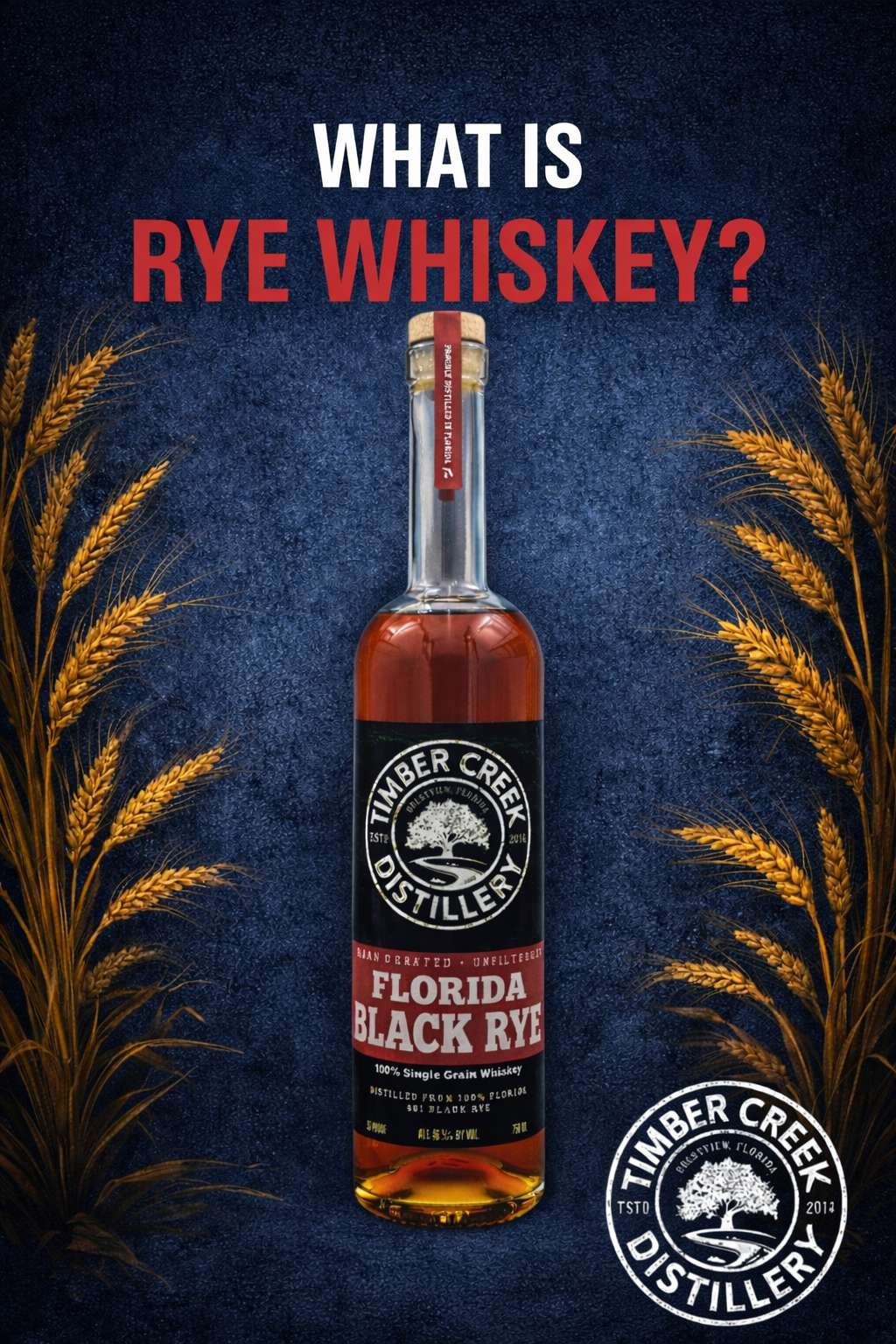
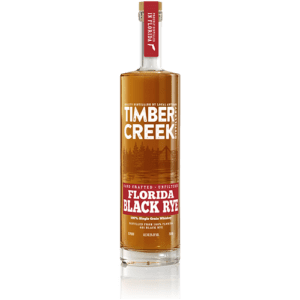
The rye whiskey made at Timber Creek Distillery comes from a completely different place, both literally and agriculturally. This whiskey is built around Florida 401 Black Rye, a grain that does not grow in Kentucky, is not imported from Canada, and cannot be produced at industrial scale. The result is a Florida rye whiskey that tastes unfamiliar in the best possible way. We also use this in our Florida Bourbon.
Understanding why it tastes different requires backing up to the grain itself, because nothing about this whiskey makes sense unless you start there.
The Rye Most People Are Actually Drinking
Rye is notoriously difficult to grow in large quantities. For that reason, much of the rye used in American whiskey is grown in Canada, where climate and infrastructure make high-yield rye farming practical. Even many well-known Kentucky rye whiskeys rely heavily on Canadian grain because Kentucky simply cannot grow enough rye to support modern production.
That rye is consistent and dependable. It produces a flavor profile people recognize: grassy, mint-forward, sharp, and dry. There is nothing wrong with it, but it has shaped expectations so narrowly that most drinkers assume all rye must taste the same.
Florida rye does not fit into that model at all.
The Grain Behind Timber Creek’s Rye
The rye used at Timber Creek Distillery is Florida 401 Black Rye, a variety developed through research and selective breeding work associated with the University of Florida. Its lineage traces back to Wrens Abruzzi rye, an Italian variety brought to the United States and later adapted specifically for Florida conditions.
This grain was not designed to maximize yield. It was designed to survive heat, humidity, and sandy loam soil while maintaining strong agronomic traits. As a result, it produces very little grain by modern standards, often yielding only eight to ten bushels per acre. We also paid 16$-17$ a bushel delivered.
That low yield is one of the main reasons this rye is so rare. There is no economic incentive to grow it at scale, and very few distilleries are willing to accept the cost and variability that come with it.
For background on Florida-grown rye varieties and their agricultural research, the Florida Department of Agriculture and related university programs have published material outlining how these grains were developed for Florida’s soil and climate.
Why This Rye Can Only Come From Florida

Florida 401 Black Rye thrives where most rye struggles. Sandy loam soils drain quickly, forcing the plant to work harder and develop deeper flavor compounds. The heat accelerates growth, while humidity stresses the plant in ways that influence starch and protein development.
This combination simply does not exist in traditional rye-growing regions. Plant this grain in Kentucky or the Midwest and it fails. Plant it in Florida and it behaves exactly as intended.
That makes this rye inseparable from place. You cannot move it without changing it.
How the Grain Changes the Whiskey
From the first mash, this rye behaves differently. The mash is thicker. The starches gelatinize in a way that demands tighter temperature control. Fermentation moves with more intensity and less forgiveness.
Those challenges carry through to distillation. Cuts must be precise or the whiskey becomes muddy. Done correctly, however, the grain delivers a flavor profile that surprises people who think rye is always aggressive.
The spice is present but warm rather than sharp. Floral notes show up on the palate, something rarely associated with rye whiskey. The finish carries a soft honey character that rounds everything out without turning sweet.
None of this comes from barrel manipulation or additives. It comes from the grain.
Why Timber Creek Distills This Rye Separately
Timber Creek operates as a grain-to-glass distillery because this rye demands that level of control. The grain is milled on site, mashed with specific temperature adjustments, fermented under close observation, and distilled on its own.
It is not softened by blending early. It is not hidden behind other grains. Distilling it separately allows the distillery to understand exactly what the rye is doing before it ever becomes part of a larger program.
This approach also informs how other whiskeys are built. Once you understand how rye behaves on its own, you make better decisions everywhere else.
Visitors often get a deeper look into this process during distillery tours and tastings, where single-grain spirits help explain how flavor is constructed.
Barrels as Support, Not Disguise
This rye does not need aggressive oak. We use a #3 char barrel. Heavy char or overly active barrels can overwhelm the grain’s natural florals and spice.
The barrel program at Timber Creek is designed to support structure and texture without replacing the grain’s voice. Oak frames the whiskey, adds depth, and gives it time, but the rye remains the focus from start to finish.
A Crestview Distillery Working Outside the Norm
Timber Creek Distillery is located near Crestview, Florida, far from the traditional whiskey corridors. That distance matters. It allows the distillery to focus on agricultural expression rather than chasing regional expectations.
If you are looking for a distillery near Crestview that actually distills on site and works directly with Florida-grown grain, this rye is one of the clearest examples of why that matters.
This is not sourced whiskey and it is not built to mimic something else. It is a Florida rye whiskey that exists because the grain exists.
Why This Rye Is Enjoyable, Not Just Interesting
There is a tendency to talk about unusual grains as academic exercises. This whiskey avoids that trap.
It is enjoyable first. Complex, but not heavy. Spicy, but not harsh. Floral, but grounded. The honey note on the finish keeps everything balanced.
It challenges expectations without asking the drinker to work too hard.
Closing Thoughts
This rye does not exist to compete with Canadian rye or Kentucky rye. It exists alongside them as a different expression of what rye can be when agriculture, climate, and process lead the conversation.
Florida 401 Black Rye makes a whiskey that most people have never tasted, not because it is exotic, but because it refuses to scale.
At Timber Creek Distillery, that limitation is the point.
You can explore more of how grain-driven spirits are produced through Timber Creek’s whiskey and spirits program, where this rye plays a quiet but important role in the larger story.